
As we enter 2025, sustainable design has moved beyond being a buzzword to being at the core of modern design. Homeowners and designers are redefining luxury and functionality by prioritizing echo-conscious interior design choices and seamlessly blending sustainability with style. Today's homes are not just spaces to live in; they are sanctuaries that reflect a commitment to the planet while enhancing comfort, efficiency, and aesthetics. Here's a deep dive into the top sustainable design trends shaping modern homes in 2025:
Using Renewable and Recycled Materials
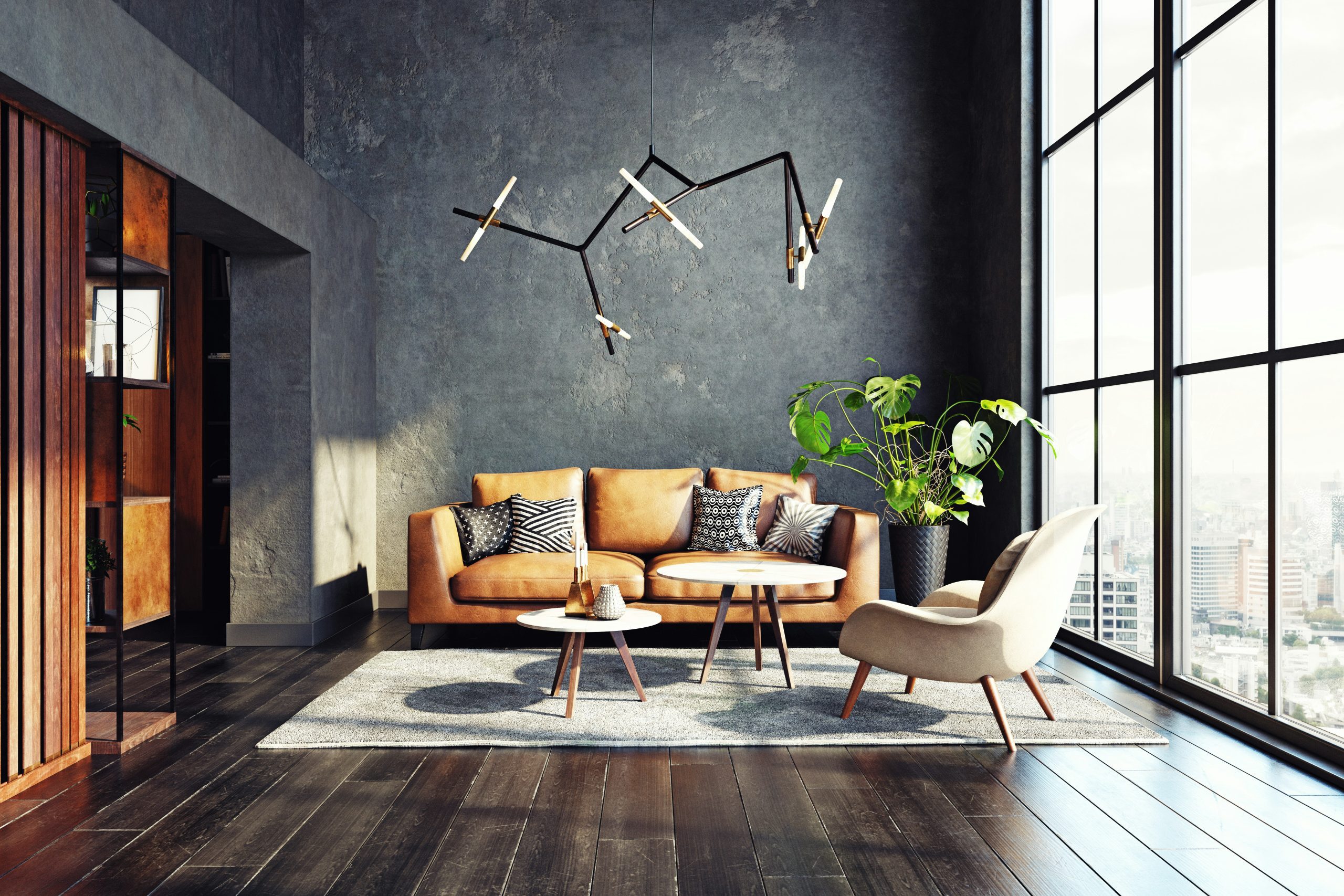
A hallmark of sustainable design is the integration of renewable and recycled materials. In 2025, homeowners will opt for natural resources like bamboo, cork, and hemp for flooring, furniture, and decor. Reclaimed wood, recycled metal, and glass are also gaining popularity, providing unique textures and character while reducing waste.
Pro Tip: This trend supports local artisans and reduces the carbon footprint associated with manufacturing and transportation.
Energy Efficient-Architecture
In 2025 modern homes are designed with energy conservation in mind. Architects are incorporating solar panels, geothermal heating, and insulated building materials to lower energy consumption. Strategic window placement allows for natural lighting and ventilation, minimizing the need for artificial light and air conditioning.
Pro Tip: Double-glazed windows with energy-efficient frames conserve energy and enhance indoor comfort.
Biophilic Design
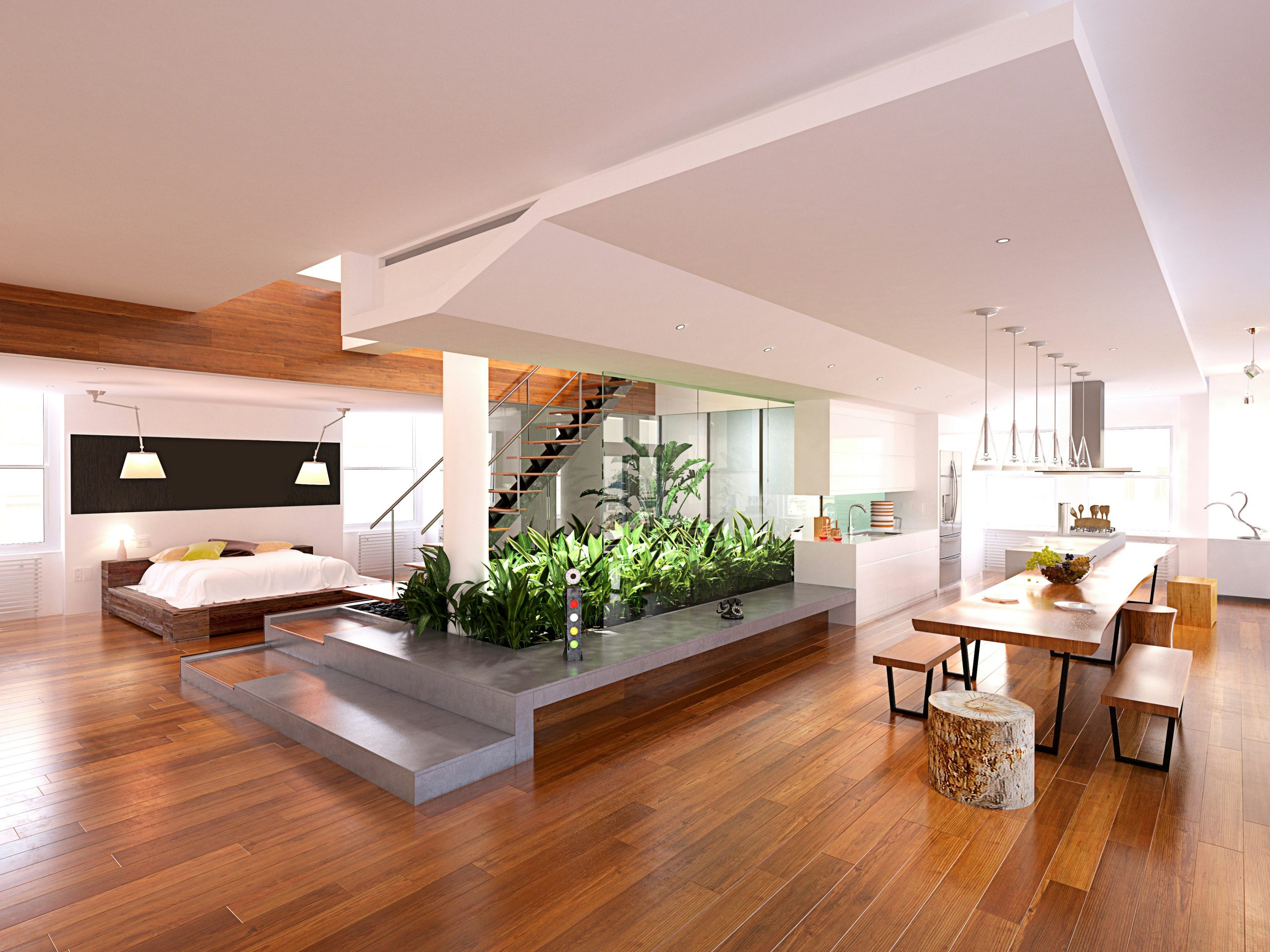
Biophilic design will continue to dominate in 2025, bringing nature indoors. This trend goes beyond adding a few plants, creating spaces that mimic natural environments. Think living walls, indoor water features, and layouts seamlessly connect indoor and outdoor spaces.
Pro Tip: Biophilic design improves air quality, reduces stress, and enhances overall well-being.
Low-VOC and Eco-Friendly Finishes
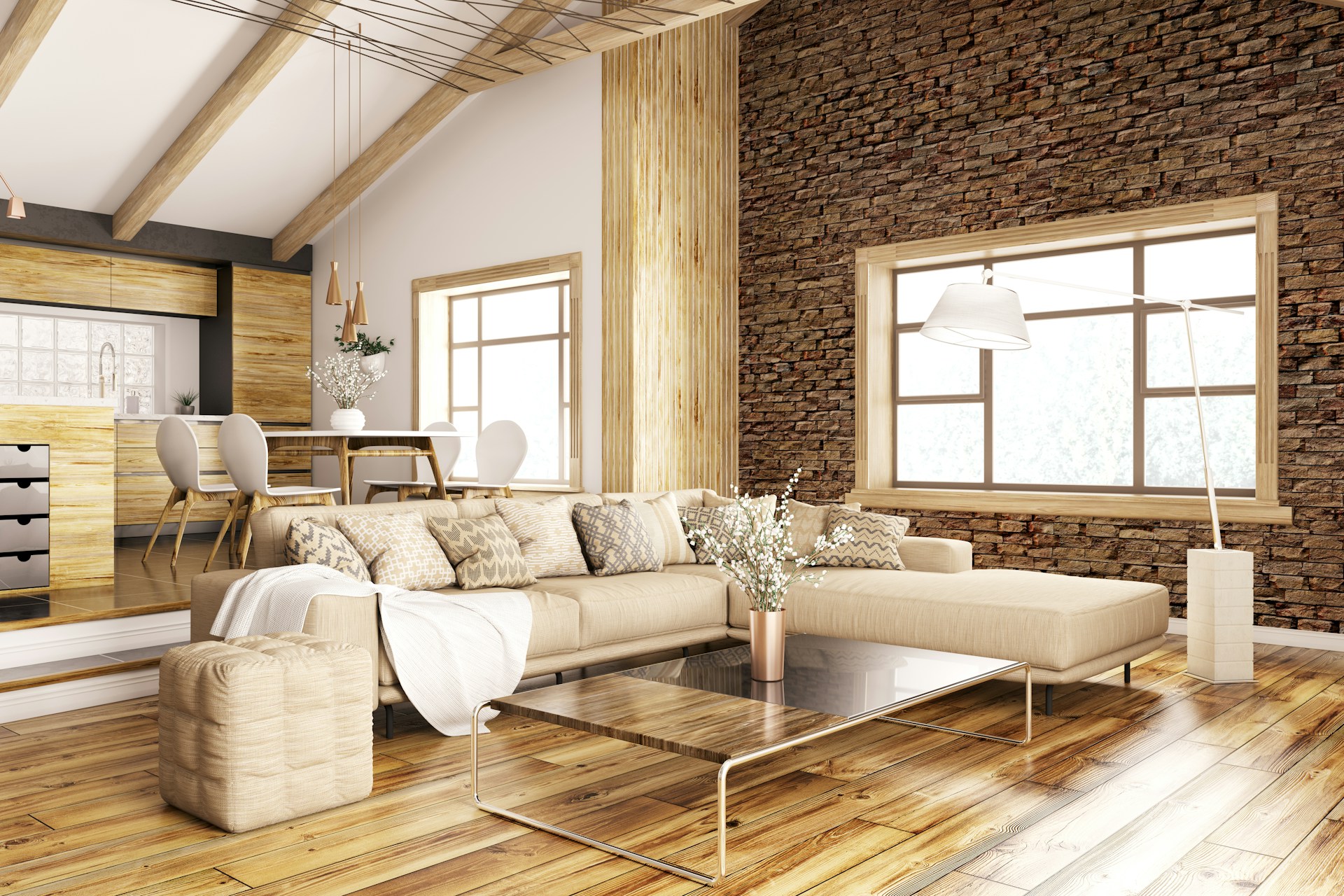
Health-conscious homeowners are turning to low-VOC paints and finishes that minimize harmful emissions. These options improve indoor air quality while maintaining style. Eco-friendly countertops made from recycled materials, such as glass or paper composite, are also in demand.
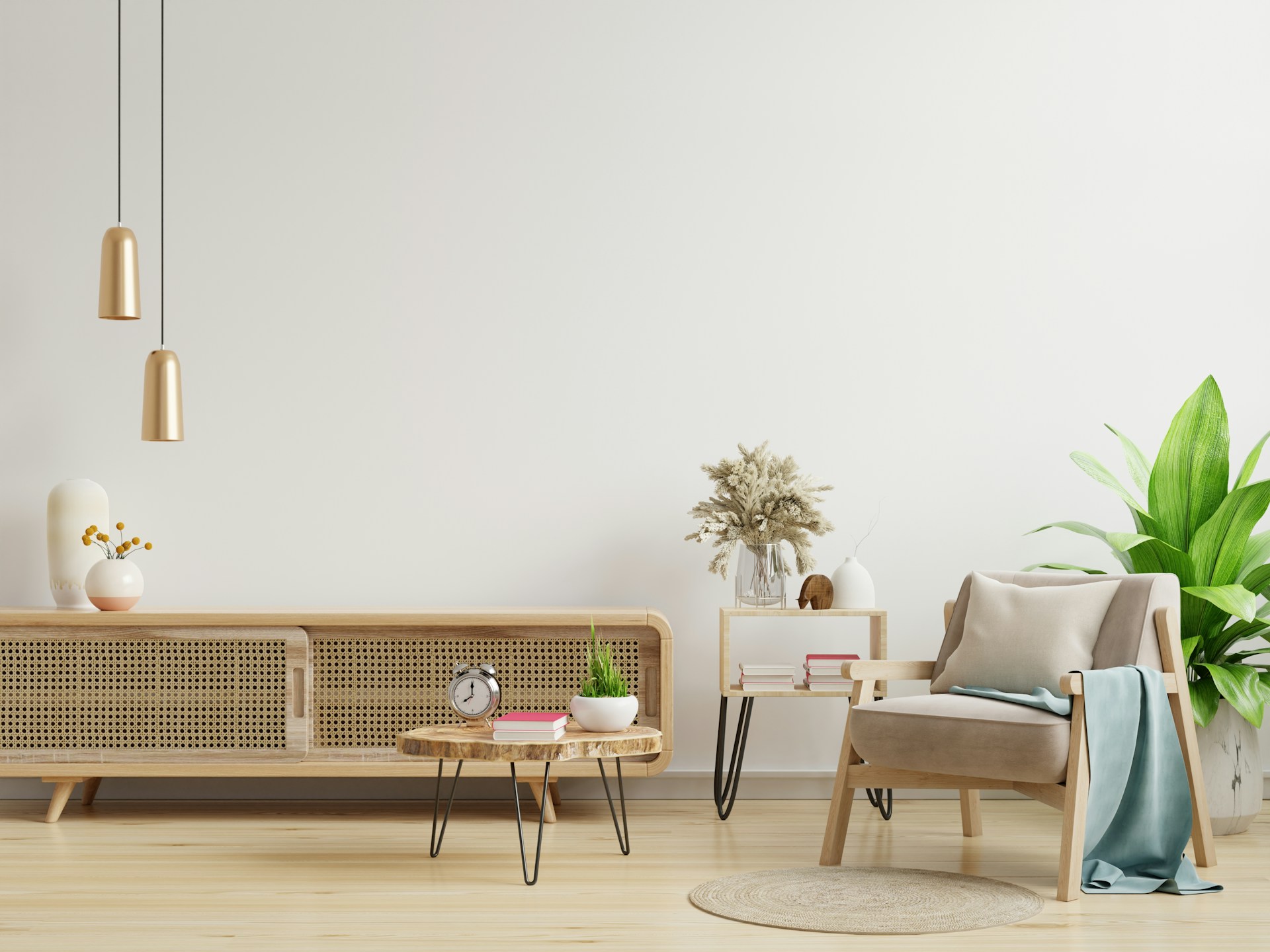
Pro Tip: Pair earthy, low-VOC wall colors with natural wood furniture for a serene and sustainable ambiance.
Multi-Functional, Space-Saving Furniture
Sustainable design isn’t just about materials; it's also about functionality. Multi-purpose furniture is becoming a must-have for modern homes. Pieces that adapt to different needs reduce the overall consumption of resources while optimizing space.
Pro Tip: A modular sofa that converts into a guest bed or a dining table that expands for larger gatherings are examples of pieces that adapt to different needs.
Water Conservation Systems
With water scarcity becoming a global concern, modern homes are incorporating innovative water-saving solutions. Rainwater harvesting systems, low-flow faucets, and grey-water recycling are standard features in sustainable homes.
Pro Tip: Install water-efficient fixtures in bathrooms and kitchens to reduce water consumption without sacrificing performance.
Minimalism with a Sustainable Design Edge
The minimalist aesthetic continues to evolve with a sustainable twist. In 2025, modern homes are embracing the “less is more” approach by prioritizing high-quality, durable pieces made from sustainable materials. This shift reduces waste and promotes longevity.
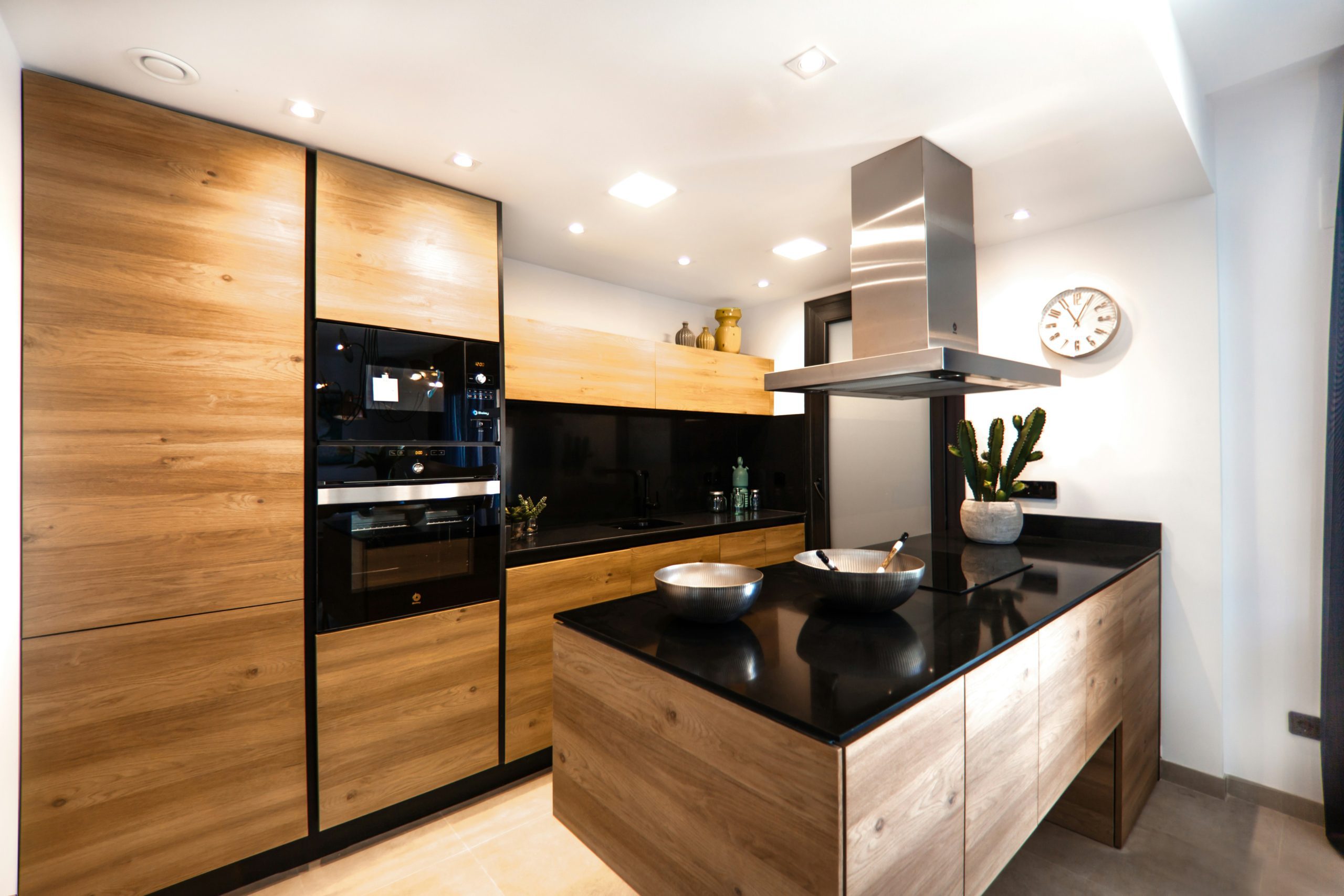
Pro tip: To reduce waste, opt for a minimal kitchen featuring recycled stone countertops, bamboo cabinetry, and energy-efficient appliances.
Smart homes with a green twist
Technology and sustainable design are merging to create smarter, greener homes. In 2025, intelligent systems monitor and optimize energy and water usage, ensuring maximum efficiency. From smart thermostats that adapt to your daily routine to automated lighting systems that conserve electricity, smart homes are more sustainable than ever.
Pro Tip: Install an intelligent irrigation system to water your garden only when necessary, saving water and supporting echo-friendly landscaping.
Local and Artisan Design
Supporting local artisans is sustainable and adds unique character to modern homes. Handmade furniture, ceramics, and textiles crafted from local resources are becoming sought-after design elements.
Pro tip: A handwoven jute rug sourced from a local artisan can elevate a room while supporting community businesses.
Community Focused Living
Sustainable design goes beyond the home itself. In 2025, neighborhoods will embrace shared resources like community gardens, car-sharing programs, and co-living spaces. These initiatives promote a sense of community while reducing individual consumption.
Pro Tip: A neighborhood with shared electric vehicle charging stations and a communal solar array helps reduce individual consumption.
Why Sustainable Design Matters
Sustainable design is more than just following trends; it’s a way to reduce environmental impact and create healthier, more efficient living spaces. We can build beautiful and sustainable homes by prioritizing eco-friendly materials, energy-saving technology, and mindful design.
Final thoughts
As we embrace the future of sustainable living, the opportunities to integrate echo-conscious design into modern homes are limitless. Whether building a new home, renovating, or simply refreshing your decor, every small step toward sustainability makes a difference.
How are you incorporating sustainable design into your home or design projects? Share your thoughts and ideas in the comments below!
Let's collaborate to create stylish and kind homes for the planet.
#SustainableDesign #ModernHomes #EcoFriendlyLiving #InteriorDesign2025 #GreenDesign #SmartHomes #BiophilicDesign #AzureDesignStudioLLC
